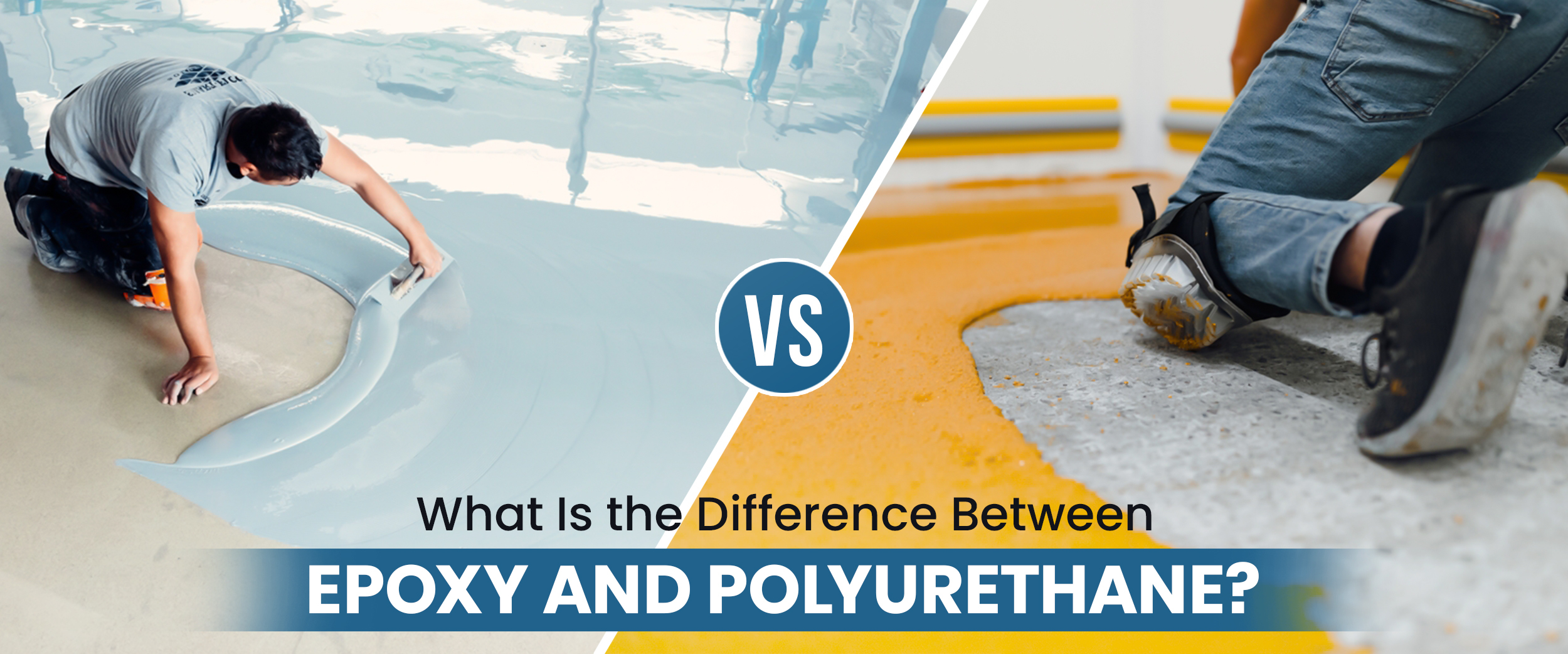
Choosing the right industrial flooring can feel a little overwhelming, especially when two superstar options, epoxy and polyurethane, seem to compete for the top spot. As one of the trusted Epoxy Resin Manufacturers in Pakistan, we get this question every day. And today at Famsa Polymers, we’re breaking it down in the simplest, clearest, and friendliest way possible.
Whether you’re setting up a heavy-duty manufacturing unit, comparing Epoxy vs Polyurethane, or upgrading your facility with high-quality Industrial Floor Coatings, we’ll help you understand which solution actually fits your needs. So let’s dive in!
Epoxy vs Polyurethane: Which One Truly Performs Better?
Imagine you’re building your dream workspace. You want flooring that’s tough, long-lasting, and resistant to whatever your operations throw at it. Now you’re standing between two choices: Epoxy Resin on one side, Polyurethane Resin on the other.
Both are durable. Both offer unique advantages. But the Difference Between Epoxy and Polyurethane becomes clearer when you look at factors like foot traffic, heat exposure, chemical resistance, and industrial application.
Instead of going fully technical, let’s talk about the way you use the space and the problems we solve at Famsa Polymers every single day with our Epoxy Coating and Polyurethane Coating solutions.
What Is Epoxy? – Understanding Its Structure, Strength & Industrial Use
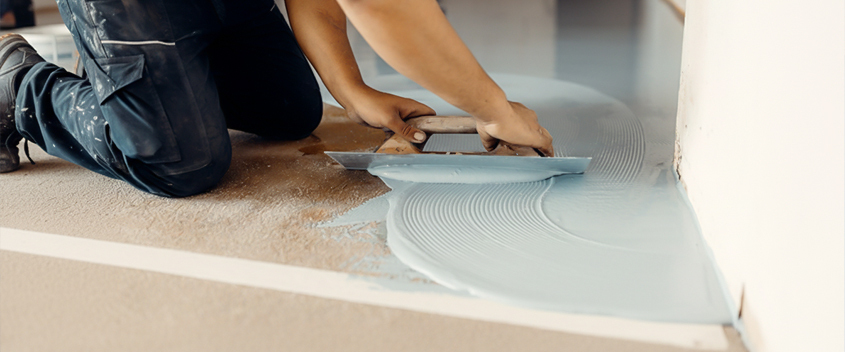
Think of epoxy as the strong, silent type. When it cures, it forms a solid, rigid, super-tough surface that can handle serious weight and pressure. If your operations involve heavy machinery, forklifts, equipment, or chemicals, epoxy is built for that.
Why industries love epoxy (and its Epoxy Resin Properties):
- It’s extremely strong and known for excellent Epoxy Durability.
- It creates a glossy, seamless finish that looks clean and premium.
- It handles chemicals, oils, and industrial fluids without trouble.
- It lasts for years when installed properly (don’t worry, we do it right).
Where epoxy performs best:
- Manufacturing plants
- Warehouses
- Factories
- Engineering workshops
- Heavy-load units (ideal for Epoxy vs PU strength environments)
If you want a floor that says, “Go ahead, bring your heaviest machinery, I can take it,” then epoxy is your guy. This is why so many industries search for Epoxy Resin Manufacturers who deliver reliable, high-strength solutions.
What Is Polyurethane? – Flexible, Durable & Impact-Resistant
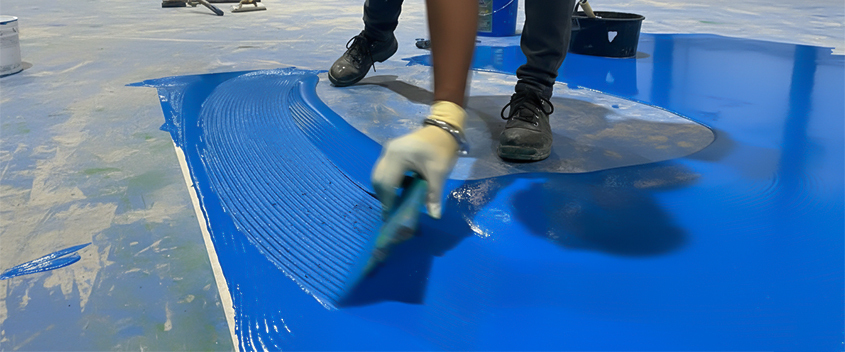
Now imagine a flooring solution that’s tough and flexible, something that can handle temperature changes, fast movement, impact, and even UV exposure. That’s polyurethane, a high-performance material with exceptional Polyurethane Resin Properties.
Where epoxy is rigid, polyurethane is adaptable. It has just enough flexibility to absorb shocks and handle hot-and-cold temperature swings without cracking.
Why industries choose polyurethane (and its Polyurethane Durability):
- It’s highly impact-resistant.
- It’s UV-resistant and doesn’t discolor in sunlight.
- It performs well in areas with temperature variations.
- It cures faster, meaning minimal downtime, a major advantage in Epoxy vs Polyurethane Flooring decisions.
Where polyurethane performs best:
- Parking areas
- Food processing units
- Cold storage
- Commercial spaces
- Industrial kitchens
If you need flooring that says, “Move as fast as you want, I’ll keep up,” then polyurethane is the perfect fit.
Epoxy vs Polyurethane – What Is the Real Difference?
Here’s a simple, real-world comparison for anyone researching Epoxy vs Polyurethane Coating, Epoxy Resin vs Polyurethane Resin, or Resin Flooring Comparison:
- Strength vs Flexibility
Epoxy is stronger, harder, and better suited for heavy machinery.
Polyurethane is more flexible and better for impact and movement.
- Chemical Resistance
Both are excellent, but epoxy offers stronger resistance for industrial use, which is helpful when comparing Epoxy vs Polyurethane Chemical Resistance.
- UV Exposure
Epoxy may yellow under sunlight.
Polyurethane stays stable and UV-resistant.
- Durability in Motion
Epoxy is perfect for static heavy loads.
Polyurethane wins in dynamic environments, moving vehicles, temperature changes, and impacts.
- Installation Time
Epoxy takes longer to cure.
Polyurethane cures faster, saving you valuable downtime.
- Cost Differences
Epoxy is generally more budget-friendly.
Polyurethane is slightly premium due to its flexibility and UV-resistant properties.
This is exactly why industries evaluating Best Coating for Concrete Floors, Epoxy or Polyurethane must first consider the environment.
Which One Should You Choose? – Epoxy or Polyurethane?
Here’s the honest truth: your environment decides your flooring. If you’re comparing Epoxy vs PU for Garage Flooring or Epoxy vs Polyurethane for Industrial Floors, here’s the simplest guide:
Choose Epoxy if:
- You have heavy machinery.
- You want maximum strength.
- Your flooring faces chemical exposure.
- You want long-lasting Epoxy Floor Benefits.
Choose Polyurethane if:
- You have temperature variations.
- You need impact resistance.
- You want a UV-stable coating.
- You want quick installation and strong Polyurethane Floor Benefits
Still unsure? We assess your operations and recommend the right system, not what’s trending.
Why Industries Trust Famsa Polymers for Premium Flooring Solutions
As trusted Epoxy Resin Manufacturers in Pakistan, we don’t just apply flooring, we solve problems.
Industries trust us because:
- We use high-performance epoxy and polyurethane materials.
- We understand industrial challenges deeply.
- Our installation teams ensure seamless, long-lasting flooring.
- We customize solutions based on your facility’s traffic, load, and environment.
- We deliver flooring that performs even in the toughest conditions.
Your flooring isn’t just a surface. It’s the foundation of your operations, and we treat it that way.
Final Verdict – Epoxy vs Polyurethane for Your Industry
Both materials are outstanding, but the right choice depends on your needs. If you want rigidity and strength, choose epoxy. If you want flexibility and impact absorption, choose polyurethane.
And if you want the perfect balance?
Just talk to us. We’ll guide you honestly and professionally.
Get Expert Flooring Guidance from Famsa Polymers
Still unsure which flooring is best for your facility?
Let’s make it easy.
Reach out to Famsa Polymers for expert guidance, detailed site assessment, and customized industrial flooring recommendations designed to last for years.
Your perfect flooring solution is just one conversation away.