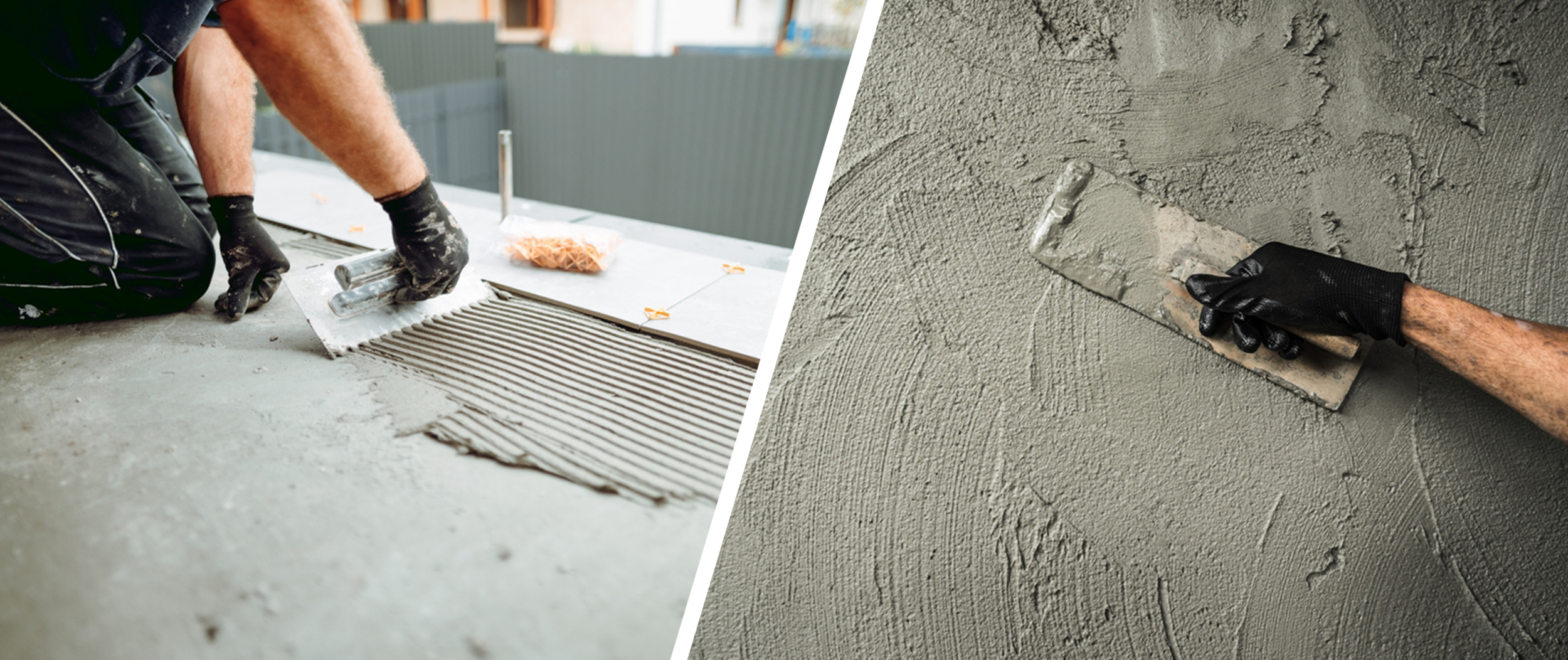
Let’s be honest, when tiles look perfect on day one, we rarely stop to think about what’s actually holding them in place. But a few months down the line, when tiles sound hollow, crack, or even pop off, the real question hits: Was the right tile fixing method used?
Have you ever walked into a room where the tiles feel loose, hollow, or show cracks far sooner than expected? Most people blame the tiles themselves, but the real hero, or sometimes the villain, lying beneath is the tile fixing material.
At Famsa Polymers, a trusted adhesive manufacturer in Pakistan and adhesive supplier in Pakistan, we talk to builders, contractors, and homeowners every day. One truth keeps coming up: how you fix your tiles matters just as much as the tiles you choose.
So let’s break it down together clearly, simply, and honestly so you can see why modern tile adhesive is changing the way we build, one tile at a time.
What Is Tile Adhesive?
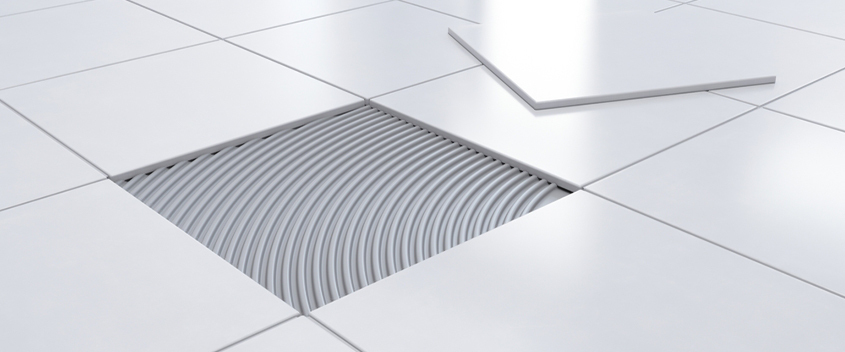
Tile adhesive is a ready-to-use or factory-formulated bonding material designed specifically to fix tiles securely to surfaces.
Unlike old methods, tile adhesive is:
- Pre-mixed with cement, polymers, and performance additives
- Engineered for strong tile bond, flexibility, and durability
- Designed to work with modern tiles like porcelain, ceramic, and vitrified tiles
Think of tile adhesive as a smart bonding solution. It knows how to hold tiles firmly, handle movement, and resist moisture.
At Famsa Polymers, our high-strength tile adhesive products are developed to give you:
- Consistent quality
- Stronger tile bond
- Easier application
- Long-lasting results
What Is Traditional Cement/Sand Mix?
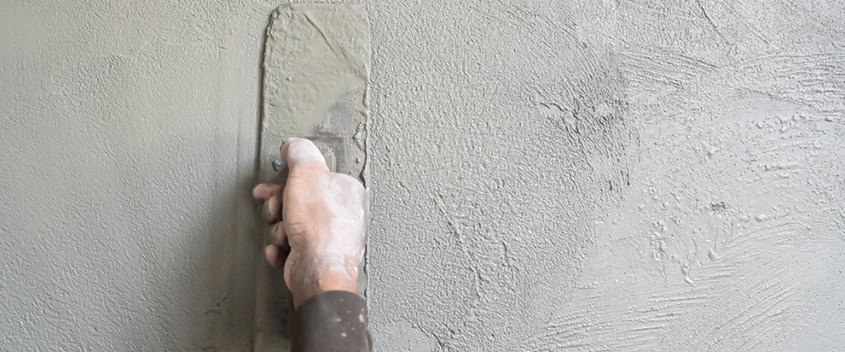
The cement/sand mix is the old-school tile fixing method that has been used for decades.
It involves:
- Mixing cement, sand, and water on-site
- Guessing the right ratio every time
- Applying a thick layer under tiles
While it worked in the past, construction has changed, and so have tiles.
Modern tiles are:
- Larger
- Thinner
- Less porous
And traditional cement/sand simply wasn’t designed for these changes.
Tile Adhesive vs Cement/Sand – Key Differences
Let’s compare them in a way that actually matters to you.
- Bonding Strength:
Tile adhesive creates a chemical bond with tiles and surfaces. Cement/sand relies mostly on mechanical grip, which weakens over time. → Stronger bond = longer tile life
- Ease of Application:
Tile adhesive is easy to mix and apply. Cement/sand requires guesswork, labor, and experience to get right. → Less effort, fewer mistakes
- Durability:
Tile adhesive is flexible and absorbs minor movements. Cement/sand becomes rigid and cracks when the surface shifts. → Flexibility prevents tile popping and breakage
- Water Resistance:
Tile adhesive performs better in moisture-prone areas like bathrooms and kitchens. Cement/sand absorbs water and loses strength. → Moisture resistance = fewer repairs
- Material Wastage:
Tile adhesive uses only what’s needed. Cement/sand often leads to excess mixing and wastage. → Cleaner worksite, lower material loss
Why Tile Adhesive Is the Smarter Choice in Modern Construction
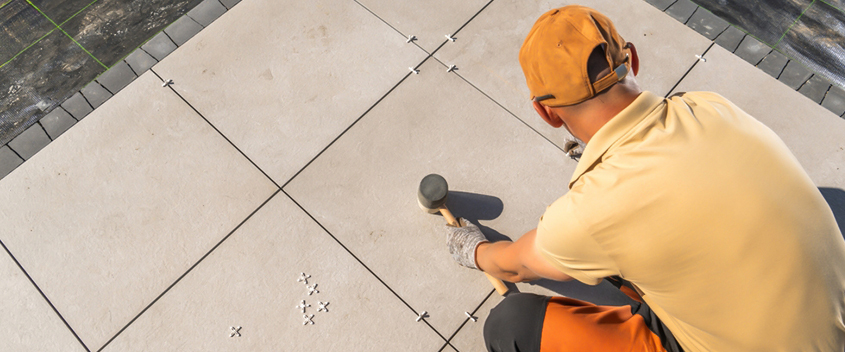
Here’s the truth: construction today is faster, smarter, and more precise. Tile adhesive fits perfectly into this modern approach.
When you choose tile adhesive, you get:
- Faster installation
- Less material wastage
- Cleaner job sites
- Better tile alignment
- Reduced chances of tile failure
At Famsa Polymers, we often say:
“A strong building starts with the right bonding.”
And tile adhesive delivers exactly that.
Applications Where Tile Adhesive Performs Best
Tile adhesive isn’t limited to luxury projects; it’s for everyday construction.
You can use it for:
- Floor tiles in homes, offices, and malls
- Wall tiles in kitchens and bathrooms
- Large-format tiles
- Porcelain and ceramic tiles
- Tiles-on-tiles renovation work
- High-moisture areas
In short, if tiles matter to you, tile adhesive belongs in your project.
How Famsa Polymers Tile Adhesives Make a Difference
Ever wondered why some tiles stay perfect while others crack or feel hollow? The secret isn’t just the tile, it’s the adhesive. At Famsa Polymers, a leading tile bond manufacturer in Pakistan and epoxy resin manufacturer, we don’t just make adhesives; we engineer trust for builders, contractors, and homeowners across Pakistan.
So, what makes our adhesives special? They’re polymer-enhanced for stronger bonding, easy to mix and apply, and designed to handle local climate conditions. Plus, every batch is tested for strength and durability, so you can be sure your tiles stay flawless.
Why choose Famsa Polymers? Because with our high-strength tile adhesive, you reduce callbacks, prevent hollow tiles, and achieve professional-quality results every time, building confidence one tile at a time.
How to Choose the Right Tile Adhesive for Your Project
Choosing the right tile adhesive doesn’t have to be complicated. Ask yourself:
- What type of tile are you using?
- Is it a wall or floor application?
- Is the area exposed to water?
- Are the tiles large or standard size?
And if you’re unsure, we’re here to guide you. At Famsa Polymers, we believe the right advice is just as important as the right product. In fact, if you’re curious about specialized options, you might want to check out our previous blog, Top Benefits of Epoxy Adhesives for Your Next Project, where we dive into how epoxy adhesives can make your tile installations even stronger and more durable.
Common Myths About Tile Adhesive – Busted
Let’s clear up some confusion we hear all the time:
- Myth 1: Cement and sand are stronger
Truth: Tile adhesive provides better tile bond and durability than cement/sand.
- Myth 2: Tile adhesive is expensive
Truth: It reduces labor time, wastage, and repairs, saving money long-term.
- Myth 3: Tile adhesive is only for big projects
Truth: It’s perfect for homes, shops, and renovations too.
Final Verdict – Tile Adhesive or Cement & Sand?
So, which one should you choose: tile adhesive or the traditional cement and sand mix?
If you’re working with modern tiles, large formats, or high-traffic areas, tile adhesive clearly takes the lead. Why? It bonds stronger, absorbs movement, resists moisture, and lasts longer. Cement and sand might work in simple cases, but they crack, shrink, and often leave hollow tiles, not exactly the results you want.
At Famsa Polymers, we see it every day: professionals and homeowners who switch to tile adhesive get faster installations, cleaner finishes, and peace of mind that their tiles will stay perfect for years.
The verdict is simple: for durable, worry-free, professional-quality tile work, go with tile adhesive. Cement and sand belong in the past; modern construction deserves a modern solution.
Conclusion: Build Smarter with Famsa Polymers
Ever thought about what makes a space truly stand out? It’s not just the tiles, it’s how they’re fixed. At Famsa Polymers, a trusted adhesive manufacturer in Pakistan, we believe building smart means choosing the right materials for long-lasting results.
Switching from traditional cement and sand to modern tile adhesive isn’t just an upgrade, it’s a smarter, stronger, and cleaner way to build. With our adhesives, you get perfectly bonded tiles, hassle-free installation, and results that last for years.
So whether it’s a home, office, or commercial project, we’re here to help you lay every tile with confidence and quality, one tile at a time.
FAQs
1. What is tile adhesive?
Tile adhesive is a specially formulated bonding material made with cement, polymers, and additives to fix tiles securely to surfaces.
2. How is tile adhesive better than cement and sand?
Tile adhesive offers stronger bonding, better flexibility, less cracking, and faster installation compared to cement and sand.
3. What types of tile adhesive are available?
Common types include cement-based tile adhesive, ready-mix adhesive, and epoxy-based adhesive for specialized applications.
4. Can tile adhesive be used for both walls and floors?
Yes, tile adhesive is suitable for both wall and floor tile installations when the correct type is selected.
5. Is tile adhesive suitable for porcelain and ceramic tiles?
Absolutely. Tile adhesive is ideal for porcelain, ceramic, and modern vitrified tiles.